


 57 Huynh Thuc Khang - Dong Da - Hanoi
 02435533388
 vnptit@vnpt.vn

 Contact
Improving Customer Experience and Technology Service Quality Through Security Testing
A proactive cybersecurity strategy to build lasting trust and strengthen the reputation of IT service providers
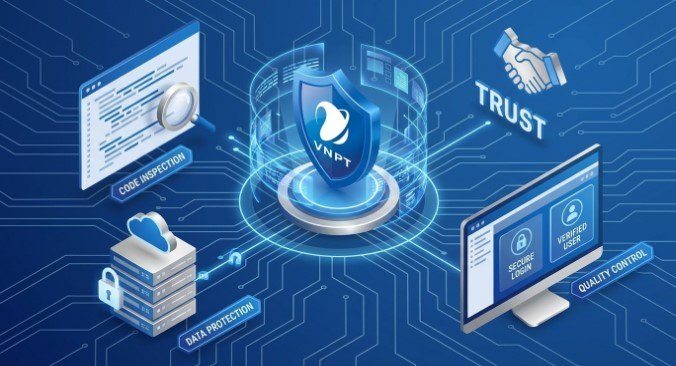
In today's digital environment, the quality of an IT service is measured by more than response speed or a smooth user interface. Long-term customer loyalty depends on trust in data security and system reliability. A personal data breach or an outage caused by a cyberattack can quickly undo years of work to improve customer experience. Security testing has therefore moved beyond a purely technical step to become a core part of service quality, helping IT companies demonstrate reliability and professionalism to their users.
Security testing is the proactive assessment of software systems to identify vulnerabilities, risks and threats before attackers can exploit them. Test specialists simulate real attacks to assess the strength of a system's defenses. A high-quality software service should meet essential security requirements. Authentication and authorization form the first line of defense, ensuring that legitimate users can access only the data and functions they are permitted to use.
Confidentiality and data integrity are also essential to protecting customers' personal information, financial details and transaction histories from theft or unauthorized changes. Availability keeps services running around the clock and reduces the risk of congestion or interruptions. Together with transaction non-repudiation and rapid recovery after incidents, security testing helps create a dependable operating environment and improve customer confidence.
Enterprise applications face many sophisticated threats in day-to-day operations. Without regular testing, systems can be vulnerable to SQL injection, in which an attacker uses input fields to interfere with the underlying database, potentially exposing important information or disrupting the entire system. Cross-site scripting is another threat: malicious code inserted into a user's browser can be used to steal session cookies and gain access to an account.
Even changes to website URL parameters can expose internal data if access controls are not tested carefully. Including simulated attacks in the testing process before a product is released helps companies identify and address weaknesses early. This can reduce the cost of responding to incidents, protect the brand and deliver a more secure experience to users.
To build a robust security strategy, IT companies need to apply a range of assessment methods. White-box and black-box penetration testing examine software from both an internal code perspective and the viewpoint of an external attacker. Using SSL/TLS to encrypt data in transit protects information moving between clients and servers against eavesdropping and unauthorized interference.
At the same time, intrusion detection and monitoring systems, together with honeypot environments, can help organizations identify unusual activity early and respond before real users are affected. Standardizing information security processes against international standards such as ISO/IEC 17799 also demonstrates a commitment to customer safety.
In conclusion, information security should support, rather than slow, product development and innovation. When new technology features are accompanied by appropriate safeguards, companies can protect their digital assets and build stronger consumer trust. A systematic investment in security testing can raise service quality, improve customer experience and create a lasting competitive advantage in the digital age.